Activated Carbon
Activated Carbon Creates Clean Soil, Healthy Roots, and Odor-Free Environments
Activated carbon is a powerhouse natural purifier that protects your plants, terrariums, and aquariums from hidden threats like mold, harmful chemicals, heavy metals, and lingering smells. This ultra-porous soil detoxifier works by capturing toxins and impurities through adsorption, helping to maintain a healthy root zone and preventing microbial issues before they start. Whether you're building a terrarium or refreshing your houseplant substrate, activated carbon provides one of the easiest and most effective ways to ensure a clean, safe, and balanced growing environment.
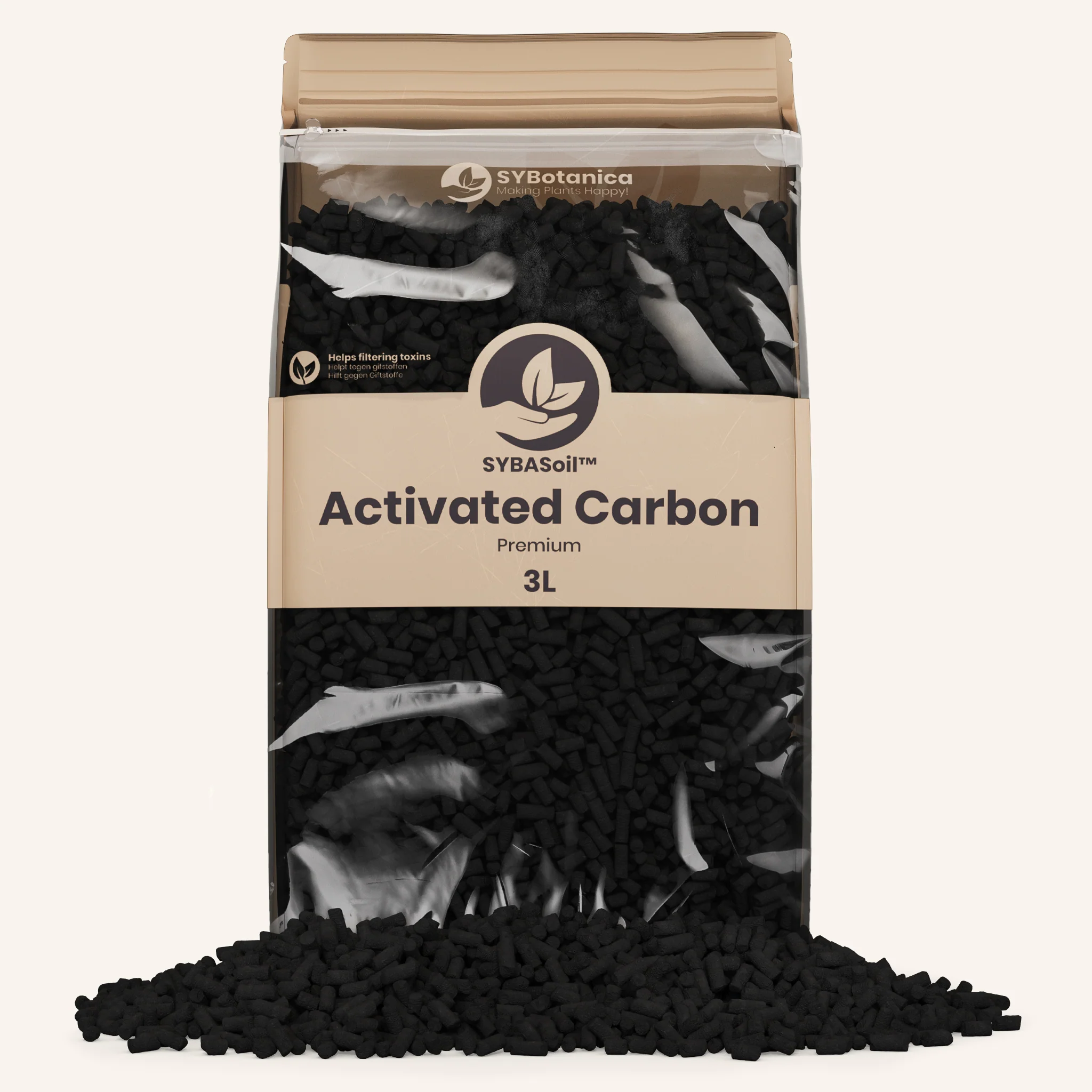
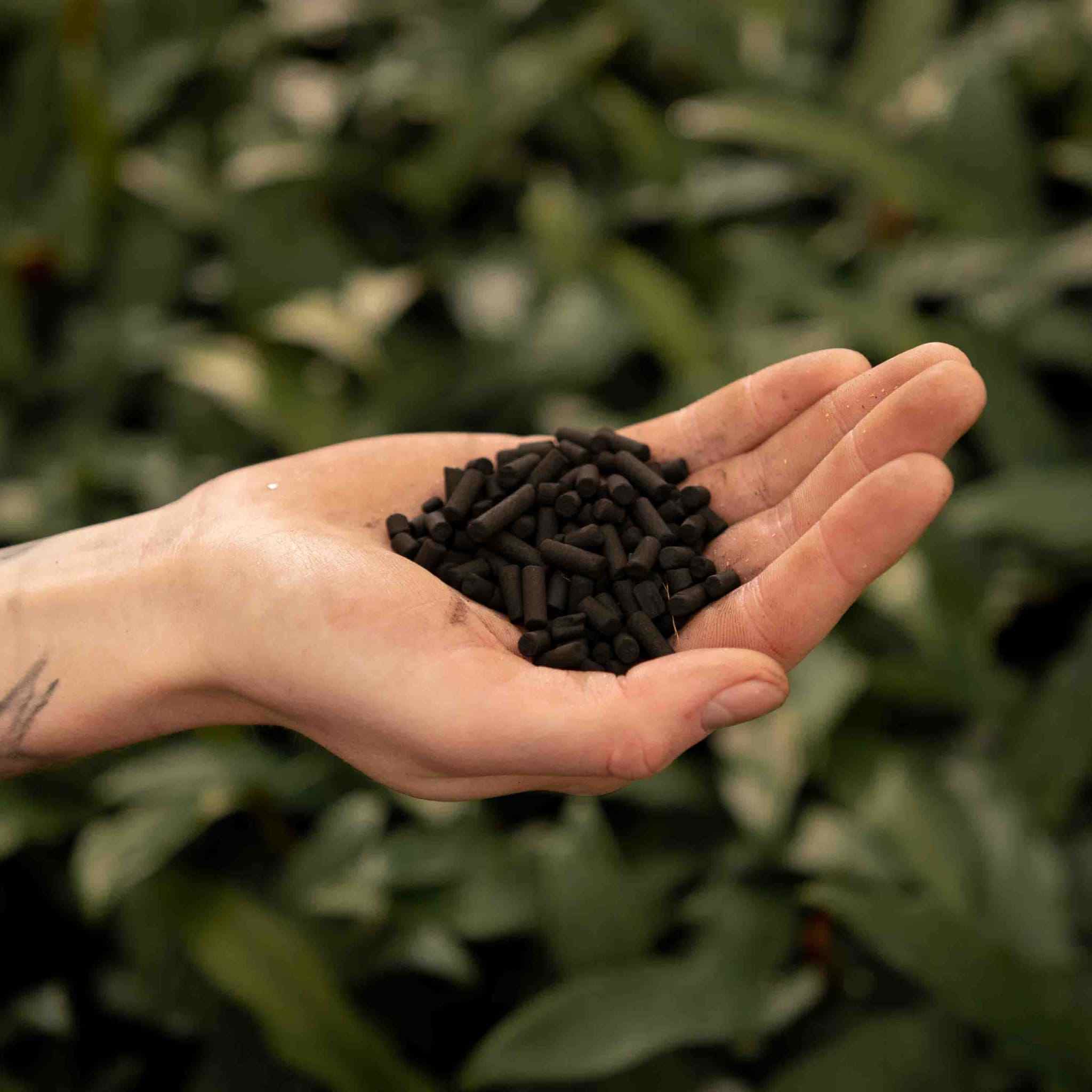
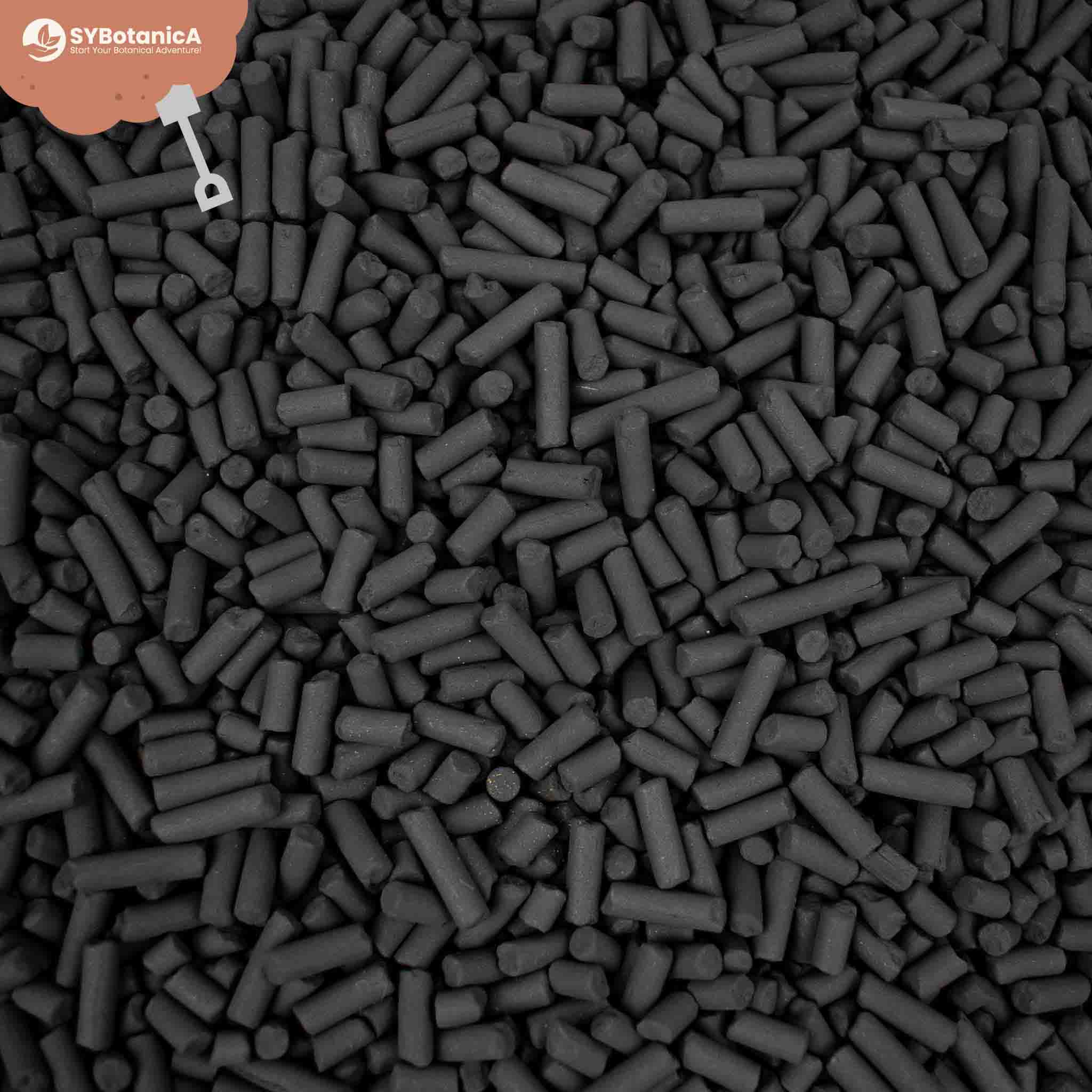
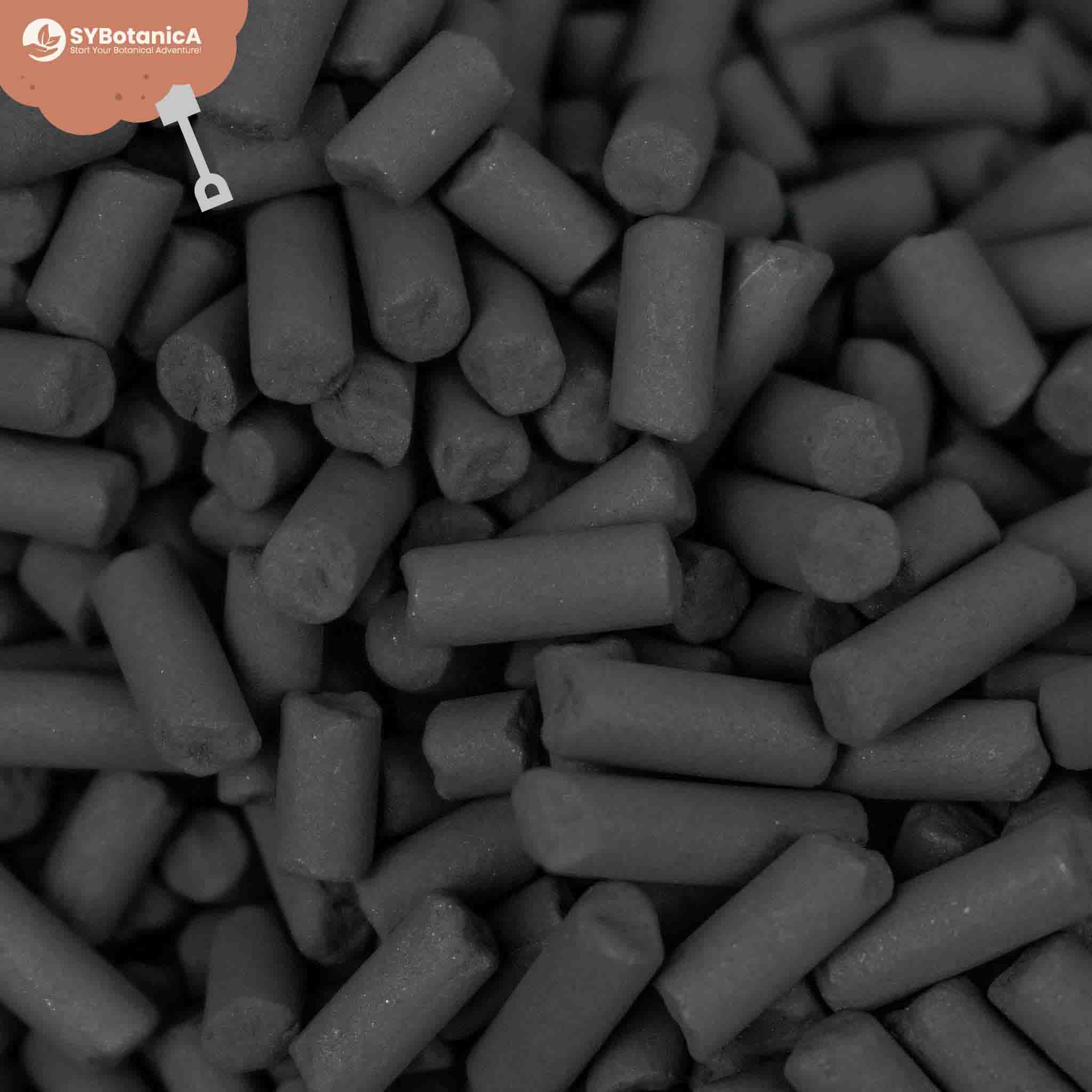
At Sybotanica, we use high-grade activated charcoal in convenient, resealable bags that are ready to use right away. Unlike coarse charcoal chunks, our pellet format has up to 100x the surface area, delivering a massive boost in absorption power for filtration, detoxification, and odor control.
What Makes Carbon “Activated”?
The term activated refers to carbon that has been treated at extremely high temperatures to expand its surface structure. This thermal activation process creates thousands of micro-pores—tiny air pockets that trap impurities through adsorption, not absorption. These ultra-fine pores increase the surface area dramatically, giving activated carbon its ability to bind with and remove toxins, gases, and unwanted organic compounds from soil and water alike.
Compared to regular charcoal, activated carbon is significantly more effective, longer lasting, and much more refined in structure. It doesn’t just sit in the soil—it actively works to protect plant roots and support microbial balance.
Benefits of Activated Carbon in Terrariums
In closed terrarium environments, trapped moisture and organic matter create ideal conditions for mold, fungus, and bacterial buildup. Adding a layer of activated charcoal just above your drainage layer or blending it into your substrate helps filter out contaminants before they reach the root zone.
Key Benefits in Terrariums:
- Neutralizes odors and off-gassing from decaying materials
- Captures mold spores and organic toxins
- Enhances drainage and creates a purified substrate
- Reduces risk of anaerobic (low-oxygen) conditions
- Improves soil texture with added grit and moisture regulation
We’ve tested two identical terrariums—one with carbon, one without—and the difference in mold control was dramatic. The activated carbon created a noticeably healthier ecosystem, with less condensation, cleaner water cycling, and visibly healthier root systems.
Benefits of Activated Carbon for Houseplants
Activated carbon is just as useful in houseplant care as it is in terrariums. When mixed into soil, it works as a potting mix additive that neutralizes harmful compounds, improves aeration, and supports long-term root health. It’s particularly helpful for plant parents who tend to overwater or for species sensitive to stagnant moisture and root rot.
Why Use Activated Carbon for Indoor Plants?
- Acts as a natural purifier in your soil
- Prevents fungal growth and root rot
- Keeps your mix clean, breathable, and lightly gritty
- Promotes a healthy root zone by filtering toxins
- Reduces nutrient loss caused by chemical buildup
It’s also ideal for repotting distressed or struggling plants. By improving both drainage and detoxification, it gives roots a fresh, stable environment in which to recover and thrive.
Bonus: Odor Control for Aquariums and Closed Spaces
One of the most underrated benefits of activated carbon is its ability to eliminate odors. Whether you’re dealing with musty terrariums, overwatered houseplants, or aquariums with unclear water, carbon helps eliminate the source of bad smells by absorbing the gases that cause them. It’s a popular and highly effective odor control method across all types of enclosed growing environments.
How to Use Activated Carbon
- In terrariums: Add a 1–2 cm layer above your drainage substrate or mix 10–20% into your substrate blend.
- In houseplant soil: Add 5–10% carbon pellets to your potting mix as a soil amendment.
- In aquariums: Place inside a mesh bag and insert into your filter compartment for water purification.
Because it’s lightweight and doesn’t break down easily, activated carbon works well as a long-term structural element in your mix.
The Sybotanica Approach: Clean, Functional, and Ready to Use
At Sybotanica, we believe that healthy plants start with a healthy foundation. Our activated carbon pellets are clean, salt-free, and come in user-friendly packaging—no prep or rinsing needed. Unlike dusty charcoal powder or bulky chunks, these pellets offer premium performance with zero mess. They're part of how we keep our SYBASoil blends clean, breathable, and fungus-resistant from the start.
We don’t just include carbon because it sounds good—we include it because it works. From preventing rot to keeping terrarium soil mold-free, this ingredient plays a vital role in our soil-building philosophy.
Original: $18.99
-70%$18.99
$5.70Product Information
Product Information
Shipping & Returns
Shipping & Returns
Description
Activated Carbon Creates Clean Soil, Healthy Roots, and Odor-Free Environments
Activated carbon is a powerhouse natural purifier that protects your plants, terrariums, and aquariums from hidden threats like mold, harmful chemicals, heavy metals, and lingering smells. This ultra-porous soil detoxifier works by capturing toxins and impurities through adsorption, helping to maintain a healthy root zone and preventing microbial issues before they start. Whether you're building a terrarium or refreshing your houseplant substrate, activated carbon provides one of the easiest and most effective ways to ensure a clean, safe, and balanced growing environment.
At Sybotanica, we use high-grade activated charcoal in convenient, resealable bags that are ready to use right away. Unlike coarse charcoal chunks, our pellet format has up to 100x the surface area, delivering a massive boost in absorption power for filtration, detoxification, and odor control.
What Makes Carbon “Activated”?
The term activated refers to carbon that has been treated at extremely high temperatures to expand its surface structure. This thermal activation process creates thousands of micro-pores—tiny air pockets that trap impurities through adsorption, not absorption. These ultra-fine pores increase the surface area dramatically, giving activated carbon its ability to bind with and remove toxins, gases, and unwanted organic compounds from soil and water alike.
Compared to regular charcoal, activated carbon is significantly more effective, longer lasting, and much more refined in structure. It doesn’t just sit in the soil—it actively works to protect plant roots and support microbial balance.
Benefits of Activated Carbon in Terrariums
In closed terrarium environments, trapped moisture and organic matter create ideal conditions for mold, fungus, and bacterial buildup. Adding a layer of activated charcoal just above your drainage layer or blending it into your substrate helps filter out contaminants before they reach the root zone.
Key Benefits in Terrariums:
- Neutralizes odors and off-gassing from decaying materials
- Captures mold spores and organic toxins
- Enhances drainage and creates a purified substrate
- Reduces risk of anaerobic (low-oxygen) conditions
- Improves soil texture with added grit and moisture regulation
We’ve tested two identical terrariums—one with carbon, one without—and the difference in mold control was dramatic. The activated carbon created a noticeably healthier ecosystem, with less condensation, cleaner water cycling, and visibly healthier root systems.
Benefits of Activated Carbon for Houseplants
Activated carbon is just as useful in houseplant care as it is in terrariums. When mixed into soil, it works as a potting mix additive that neutralizes harmful compounds, improves aeration, and supports long-term root health. It’s particularly helpful for plant parents who tend to overwater or for species sensitive to stagnant moisture and root rot.
Why Use Activated Carbon for Indoor Plants?
- Acts as a natural purifier in your soil
- Prevents fungal growth and root rot
- Keeps your mix clean, breathable, and lightly gritty
- Promotes a healthy root zone by filtering toxins
- Reduces nutrient loss caused by chemical buildup
It’s also ideal for repotting distressed or struggling plants. By improving both drainage and detoxification, it gives roots a fresh, stable environment in which to recover and thrive.
Bonus: Odor Control for Aquariums and Closed Spaces
One of the most underrated benefits of activated carbon is its ability to eliminate odors. Whether you’re dealing with musty terrariums, overwatered houseplants, or aquariums with unclear water, carbon helps eliminate the source of bad smells by absorbing the gases that cause them. It’s a popular and highly effective odor control method across all types of enclosed growing environments.
How to Use Activated Carbon
- In terrariums: Add a 1–2 cm layer above your drainage substrate or mix 10–20% into your substrate blend.
- In houseplant soil: Add 5–10% carbon pellets to your potting mix as a soil amendment.
- In aquariums: Place inside a mesh bag and insert into your filter compartment for water purification.
Because it’s lightweight and doesn’t break down easily, activated carbon works well as a long-term structural element in your mix.
The Sybotanica Approach: Clean, Functional, and Ready to Use
At Sybotanica, we believe that healthy plants start with a healthy foundation. Our activated carbon pellets are clean, salt-free, and come in user-friendly packaging—no prep or rinsing needed. Unlike dusty charcoal powder or bulky chunks, these pellets offer premium performance with zero mess. They're part of how we keep our SYBASoil blends clean, breathable, and fungus-resistant from the start.
We don’t just include carbon because it sounds good—we include it because it works. From preventing rot to keeping terrarium soil mold-free, this ingredient plays a vital role in our soil-building philosophy.


